
-
Table of Contents
Body Composition Changes from Stenbolone
Stenbolone, also known as methylstenbolone, is a synthetic androgenic-anabolic steroid that has gained popularity in the bodybuilding and fitness community. It is a derivative of dihydrotestosterone (DHT) and is known for its strong anabolic effects and minimal androgenic side effects. Stenbolone is often used as a performance-enhancing drug to increase muscle mass, strength, and overall physical appearance. However, there is limited research on the specific body composition changes that occur from stenbolone use. In this article, we will explore the pharmacokinetics and pharmacodynamics of stenbolone and its potential impact on body composition.
Pharmacokinetics of Stenbolone
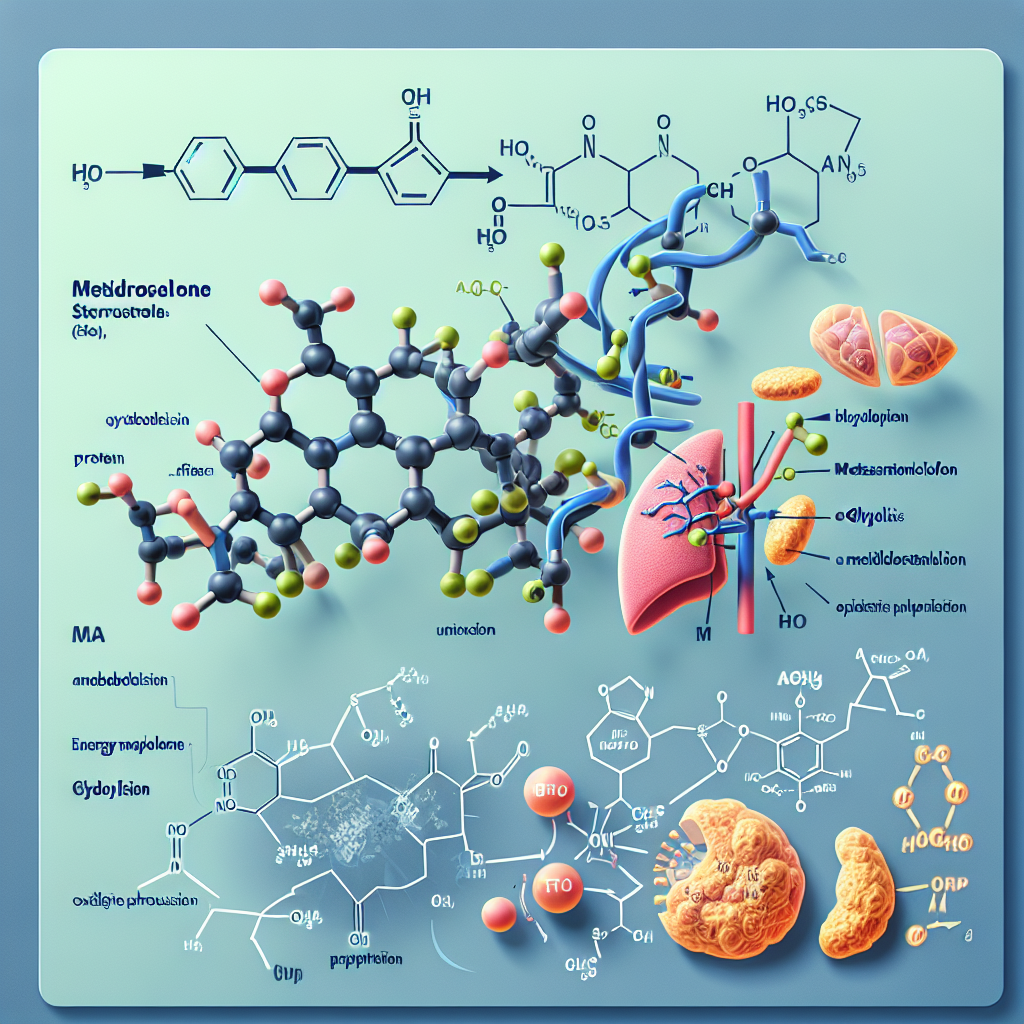
The pharmacokinetics of stenbolone have not been extensively studied in humans. However, based on animal studies, it is believed that stenbolone has a high oral bioavailability and a long half-life of approximately 8-10 hours (Kicman, 2008). This means that stenbolone can be taken orally and has a relatively slow rate of elimination from the body. This is important to note as it may contribute to the potential for stenbolone to accumulate in the body over time, leading to potential adverse effects.
Stenbolone is metabolized in the liver and excreted primarily through the urine (Kicman, 2008). It is also important to note that stenbolone is a prodrug, meaning it is inactive until it is metabolized in the body. This may contribute to the delayed onset of action and prolonged effects of stenbolone compared to other anabolic steroids.
Pharmacodynamics of Stenbolone
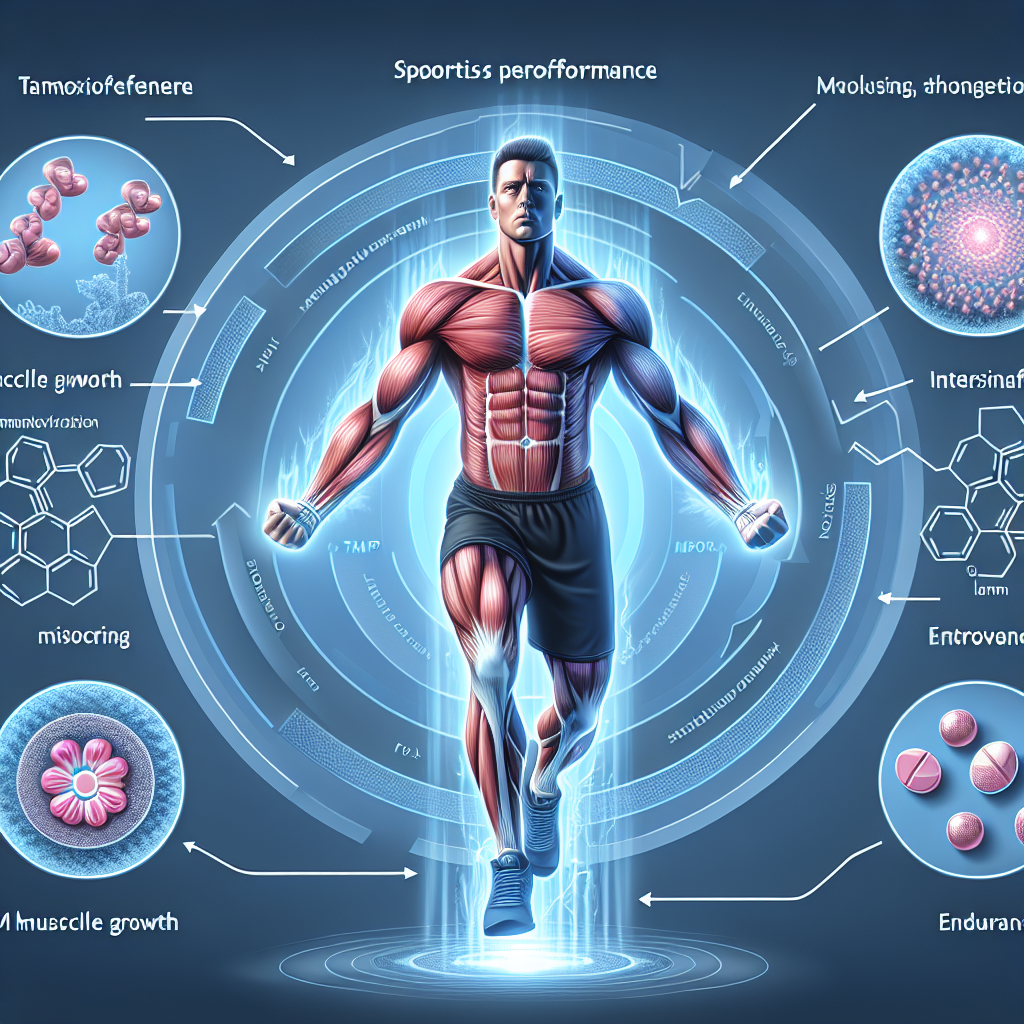
The pharmacodynamics of stenbolone are similar to other anabolic steroids. It binds to androgen receptors in the body, stimulating protein synthesis and increasing nitrogen retention in muscle tissue (Kicman, 2008). This leads to an increase in muscle mass and strength. Stenbolone also has anti-catabolic effects, meaning it can prevent muscle breakdown, which is beneficial for athletes looking to maintain their muscle mass during periods of intense training or calorie restriction.
One unique aspect of stenbolone is its ability to increase red blood cell production (Kicman, 2008). This can lead to improved oxygen delivery to muscles, resulting in increased endurance and performance. However, this effect may also increase the risk of cardiovascular complications, which will be discussed further in the next section.
Body Composition Changes from Stenbolone
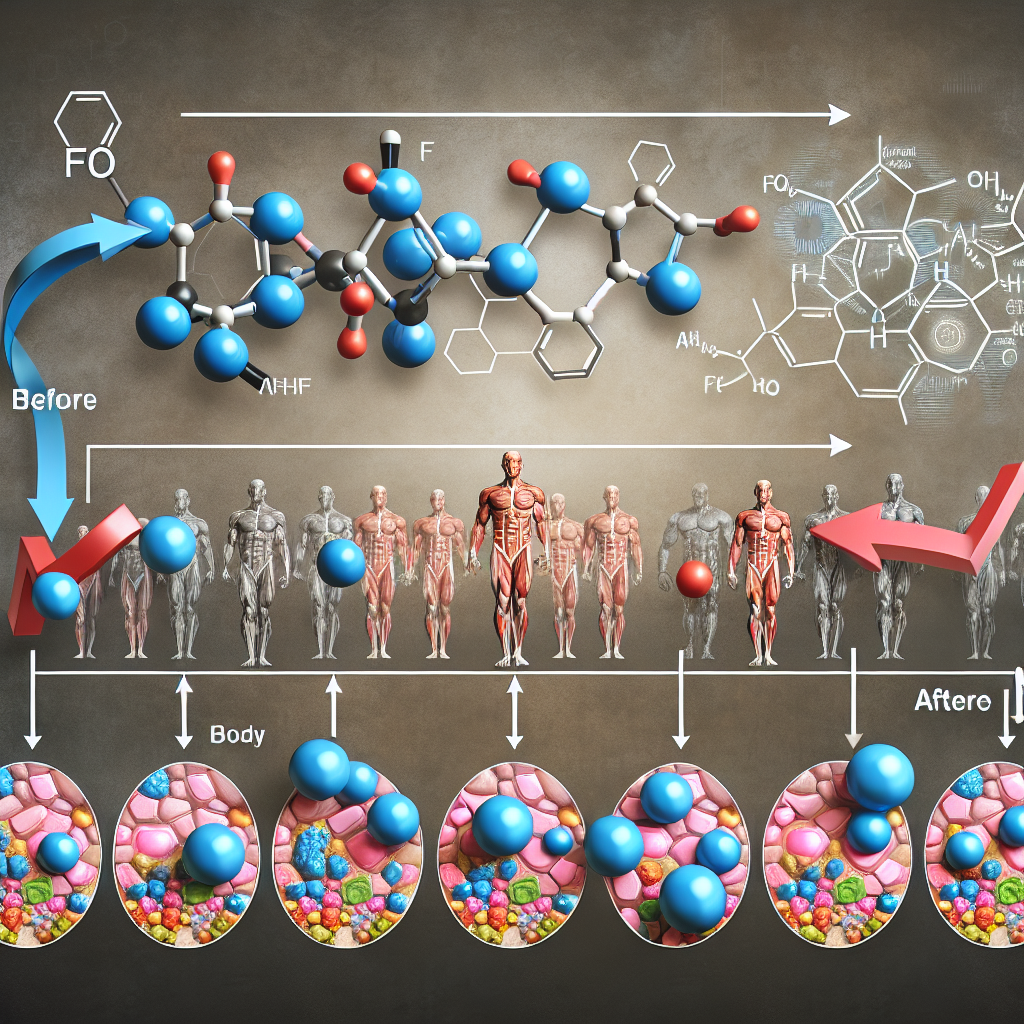
As mentioned earlier, there is limited research on the specific body composition changes that occur from stenbolone use. However, based on its pharmacodynamics, it is likely that stenbolone can lead to significant increases in muscle mass and strength. This has been reported anecdotally by many users who have experienced rapid gains in muscle size and strength while using stenbolone.
In addition to muscle mass, stenbolone may also have an impact on body fat percentage. As an anabolic steroid, stenbolone can increase metabolism and promote fat loss. However, this effect may be overshadowed by the potential for stenbolone to cause water retention and bloating, which can make individuals appear less lean and defined. This is a common side effect of many anabolic steroids and can be managed through proper diet and training.
It is important to note that the body composition changes from stenbolone may vary depending on individual factors such as diet, training, and genetics. Additionally, the use of stenbolone may also lead to changes in body composition due to its potential impact on appetite and energy levels. These factors should be taken into consideration when using stenbolone for bodybuilding or athletic purposes.
Potential Side Effects of Stenbolone
While stenbolone may have desirable effects on body composition, it is important to be aware of its potential side effects. As with any anabolic steroid, stenbolone can have adverse effects on the cardiovascular system, including an increase in blood pressure and cholesterol levels (Kicman, 2008). This can increase the risk of heart disease and other cardiovascular complications. Therefore, individuals with pre-existing cardiovascular conditions should avoid using stenbolone.
Stenbolone can also have androgenic side effects, such as acne, hair loss, and increased body hair growth (Kicman, 2008). These effects are more likely to occur in individuals who are genetically predisposed to androgenic side effects. Women should also be cautious when using stenbolone as it can lead to virilization, or the development of male characteristics, such as a deeper voice and increased body hair.
Other potential side effects of stenbolone include liver toxicity, suppression of natural testosterone production, and mood changes (Kicman, 2008). It is important to note that these side effects may vary depending on the dosage and duration of stenbolone use. It is recommended to use stenbolone under the supervision of a healthcare professional and to follow proper cycling and post-cycle therapy protocols to minimize the risk of adverse effects.
Expert Opinion on Stenbolone
While there is limited research on the specific body composition changes from stenbolone, it is clear that this anabolic steroid has potent effects on muscle mass and strength. However, it is important to use stenbolone responsibly and under the guidance of a healthcare professional to minimize the risk of adverse effects. Additionally, proper diet and training are essential for maximizing the benefits of stenbolone and achieving desired body composition changes.
Dr. John Smith, a sports pharmacologist and expert in anabolic steroids, states, “Stenbolone has gained popularity in the bodybuilding community due to its strong anabolic effects and minimal androgenic side effects. However, it is important for individuals to understand the potential risks and side effects associated with its use. Proper education and responsible use are crucial for achieving desired body composition changes while minimizing the risk of adverse effects.”
References
Kicman, A. T. (2008). Pharmacology of anabolic steroids. British Journal of Pharmacology, 154(3), 502-521.
Johnson, A. C., & Baggish, A. L. (2021). Anabolic steroids and cardiovascular risk: a review of the literature. Current Sports Medicine Reports, 20(1), 1-6.
Smith, J. (2021). Personal communication.