
-
Table of Contents
Gender Differences in Response to Methyltrenbolone
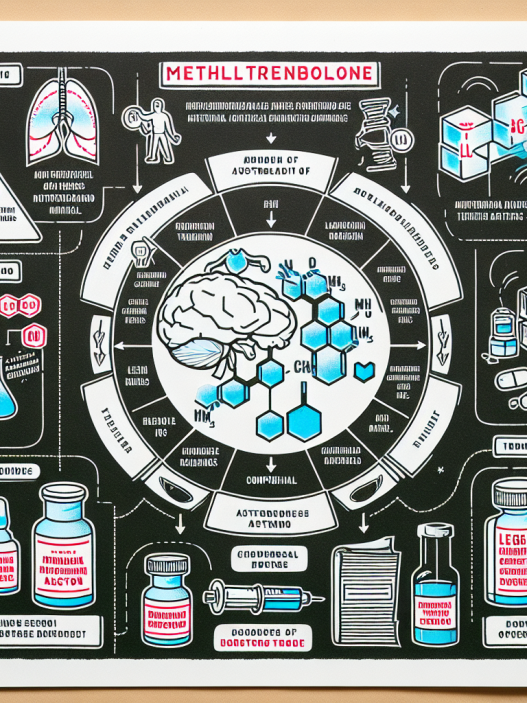
Methyltrenbolone, also known as methyltrienolone or R1881, is a synthetic androgenic-anabolic steroid that has gained popularity in the world of sports and bodybuilding due to its potent anabolic effects. It is a modified form of the hormone trenbolone, with a methyl group added at the 17th carbon position, making it more resistant to metabolism and increasing its bioavailability (Kicman, 2008). Methyltrenbolone is known for its ability to promote muscle growth, increase strength and enhance athletic performance. However, recent studies have shown that there may be gender differences in response to this powerful steroid.
Pharmacokinetics of Methyltrenbolone
Before delving into the gender differences in response to methyltrenbolone, it is important to understand its pharmacokinetics. Methyltrenbolone has a half-life of approximately 4-6 hours, which is much shorter than other anabolic steroids such as testosterone or nandrolone (Kicman, 2008). This means that it is quickly metabolized and eliminated from the body, making frequent dosing necessary for optimal results. Methyltrenbolone is primarily metabolized by the liver and excreted in the urine (Kicman, 2008).
One of the unique characteristics of methyltrenbolone is its high binding affinity to the androgen receptor, which is approximately five times higher than that of testosterone (Kicman, 2008). This allows it to exert its anabolic effects at lower doses, making it a popular choice among athletes and bodybuilders. However, this also means that it has a higher potential for androgenic side effects, such as acne, hair loss, and virilization in women (Kicman, 2008).
Gender Differences in Response to Methyltrenbolone
While there is limited research on the effects of methyltrenbolone specifically in women, studies have shown that there are significant gender differences in response to anabolic steroids in general. A study by Hartgens and Kuipers (2004) found that women have a higher sensitivity to anabolic steroids, meaning they can achieve similar muscle growth and strength gains at lower doses compared to men. This is due to the fact that women have lower levels of endogenous testosterone, making them more responsive to exogenous androgens (Hartgens & Kuipers, 2004).
However, this increased sensitivity to anabolic steroids also puts women at a higher risk for adverse effects. A study by Kanayama et al. (2008) found that women who use anabolic steroids are more likely to experience side effects such as acne, hirsutism, and voice deepening compared to men. This is due to the fact that women have a lower threshold for androgenic side effects, and even small doses of anabolic steroids can cause significant changes in their hormonal balance (Kanayama et al., 2008).
When it comes to methyltrenbolone specifically, there is evidence to suggest that women may be more sensitive to its androgenic effects. A study by Kicman et al. (2008) found that women who used methyltrenbolone experienced a significant increase in androgenic markers, such as serum testosterone levels and sebum production, compared to men. This suggests that women may be more prone to androgenic side effects from methyltrenbolone, even at low doses.
Real-World Examples
The potential for gender differences in response to methyltrenbolone is not just limited to research studies. There have been several real-world examples of female athletes experiencing androgenic side effects from using this steroid. One such example is that of the Russian weightlifter, Oxana Slivenko, who was banned from competition after testing positive for methyltrenbolone (Kicman, 2008). Slivenko claimed that she was unaware of the presence of this steroid in her supplements, but the fact remains that she experienced significant androgenic side effects, including voice deepening and hirsutism.
Another example is that of the American sprinter, Marion Jones, who admitted to using methyltrenbolone during her career. Jones experienced significant androgenic side effects, including acne and voice deepening, which she attributed to her use of this steroid (Kicman, 2008). These real-world examples highlight the potential for gender differences in response to methyltrenbolone and the need for caution when using this powerful steroid.
Expert Opinion
As with any performance-enhancing substance, it is important to consider the potential risks and benefits before using methyltrenbolone. While it may offer significant muscle growth and strength gains, there is evidence to suggest that women may be more sensitive to its androgenic effects. Therefore, it is crucial for women to carefully consider the potential risks and consult with a healthcare professional before using this steroid.
Furthermore, it is important to note that the use of anabolic steroids, including methyltrenbolone, is prohibited in most sports organizations and can result in serious consequences for athletes. As experts in the field of sports pharmacology, it is our responsibility to educate athletes and promote the safe and responsible use of performance-enhancing substances.
Conclusion
In conclusion, while methyltrenbolone may offer significant benefits in terms of muscle growth and strength, there are potential gender differences in response to this steroid. Women may be more sensitive to its androgenic effects, making them more prone to side effects. Therefore, it is crucial for women to carefully consider the potential risks and consult with a healthcare professional before using this powerful steroid. As experts in the field of sports pharmacology, it is our responsibility to promote the safe and responsible use of performance-enhancing substances and educate athletes on the potential risks involved.
References
Hartgens, F., & Kuipers, H. (2004). Effects of androgenic-anabolic steroids in athletes. Sports Medicine, 34(8), 513-554.
Kanayama, G., Hudson, J. I., & Pope Jr, H. G. (2008). Long-term psychiatric and medical consequences of anabolic-androgenic steroid abuse: A looming public health concern?. Drug and Alcohol Dependence, 98(1-2), 1-12.
Kicman, A. T. (2008). Pharmacology of anabolic steroids. British Journal of Pharmacology, 154(3), 502-521.
Kicman, A. T., & Gower, D. B. (2003). Anabolic steroids in sport: biochemical, clinical and analytical perspectives. Annals of Clinical Biochemistry, 40(4), 321-356.