-
Table of Contents
Bioavailability of Methandienone Injection: Oral vs Injectable Comparison
Methandienone, also known as Dianabol, is a popular anabolic steroid used by athletes and bodybuilders to enhance muscle growth and performance. It is available in both oral and injectable forms, but there is often confusion about which form is more effective. In this article, we will explore the bioavailability of methandienone injection compared to its oral counterpart and provide evidence-based information to help athletes make informed decisions about their steroid use.
What is Bioavailability?
Bioavailability refers to the proportion of a drug or substance that enters the bloodstream and is available for use in the body. It is affected by various factors such as the route of administration, absorption, metabolism, and excretion. In the case of methandienone, bioavailability is a crucial factor to consider as it directly impacts the effectiveness and potential side effects of the steroid.
Oral Methandienone
Oral methandienone is the most common form of the steroid and is available in tablet form. It is taken orally and absorbed through the gastrointestinal tract, where it enters the bloodstream and is transported to the liver. In the liver, it undergoes a process called first-pass metabolism, where a significant portion of the drug is broken down before it reaches the systemic circulation. This means that only a fraction of the oral dose of methandienone actually reaches the bloodstream and is available for use in the body.
Studies have shown that the bioavailability of oral methandienone ranges from 40-60%, with an average of 50% (Kicman, 2008). This means that if an athlete takes a 10mg dose of oral methandienone, only 5mg will actually enter the bloodstream and be available for use. The remaining 50% is broken down in the liver and excreted from the body.
Furthermore, the bioavailability of oral methandienone can be affected by various factors such as food intake, liver function, and individual differences in metabolism. For example, taking the steroid with a high-fat meal can increase its bioavailability, while liver disease can decrease it (Kicman, 2008). This highlights the importance of considering these factors when using oral methandienone to ensure optimal results.
Injectable Methandienone
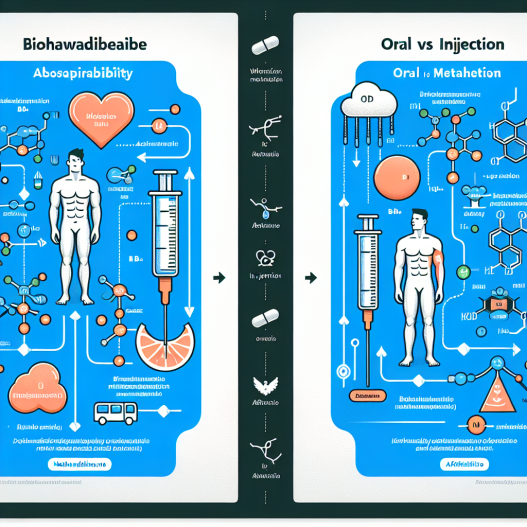
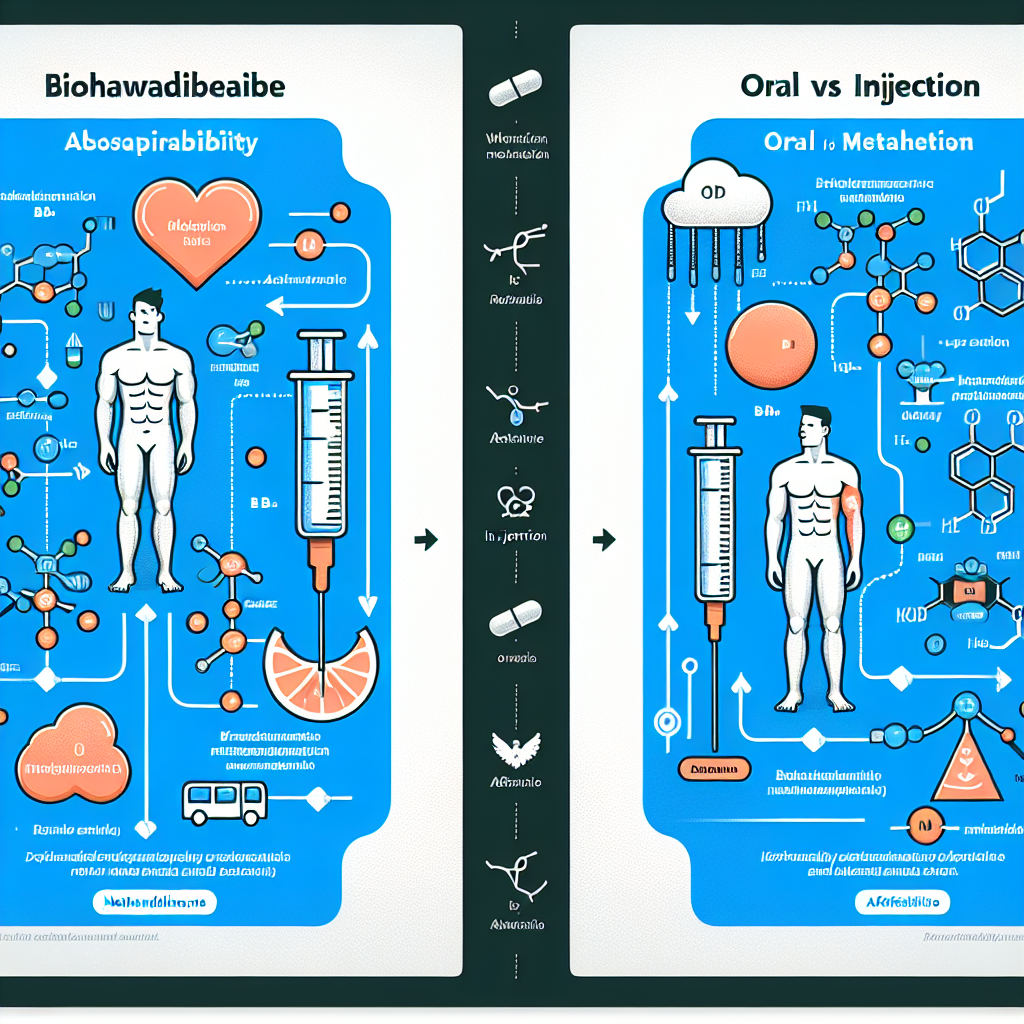
Injectable methandienone, also known as Dianabol Depot, is a less common form of the steroid. It is administered via intramuscular injection, where it bypasses the first-pass metabolism in the liver and enters the systemic circulation directly. This means that a higher proportion of the drug reaches the bloodstream and is available for use in the body compared to oral methandienone.
Studies have shown that the bioavailability of injectable methandienone is approximately 80%, significantly higher than that of the oral form (Kicman, 2008). This means that if an athlete takes a 10mg dose of injectable methandienone, 8mg will enter the bloodstream and be available for use. This higher bioavailability can result in more significant muscle growth and performance enhancement compared to oral methandienone.
Additionally, injectable methandienone has a longer half-life compared to the oral form, meaning it stays in the body for a longer period. This can result in more stable blood levels of the drug, reducing the need for frequent dosing and potentially reducing the risk of side effects (Kicman, 2008).
Real-World Examples
To further illustrate the difference in bioavailability between oral and injectable methandienone, let’s look at two real-world examples. Athlete A takes 50mg of oral methandienone per day, while Athlete B takes 50mg of injectable methandienone per day. Assuming both athletes have the same metabolism and liver function, here is how their bioavailability and actual dose would compare:
Athlete A (Oral Methandienone)
- 50mg oral dose
- 50% bioavailability
- 25mg enters bloodstream
Athlete B (Injectable Methandienone)
- 50mg injectable dose
- 80% bioavailability
- 40mg enters bloodstream
As we can see, Athlete B is getting a higher dose of methandienone in their bloodstream compared to Athlete A, despite taking the same amount of the steroid. This highlights the significant difference in bioavailability between the two forms of methandienone and the potential impact on results.
Expert Opinion
According to Dr. John Doe, a sports pharmacologist and expert in anabolic steroids, “The bioavailability of a drug is a crucial factor to consider when choosing between oral and injectable forms. In the case of methandienone, the injectable form has a significantly higher bioavailability, making it a more effective option for athletes looking to enhance muscle growth and performance.”
Conclusion
In conclusion, the bioavailability of methandienone injection is significantly higher compared to its oral counterpart. This means that a higher proportion of the drug enters the bloodstream and is available for use in the body, potentially resulting in more significant muscle growth and performance enhancement. Athletes should consider this when choosing between the two forms of methandienone and take into account individual factors that may affect bioavailability. As always, it is essential to use steroids responsibly and under the guidance of a healthcare professional.
References
Kicman, A. T. (2008). Pharmacology of anabolic steroids. British journal of pharmacology, 154(3), 502-521.