-
Table of Contents
Short-Term Side Effects of Nandrolone
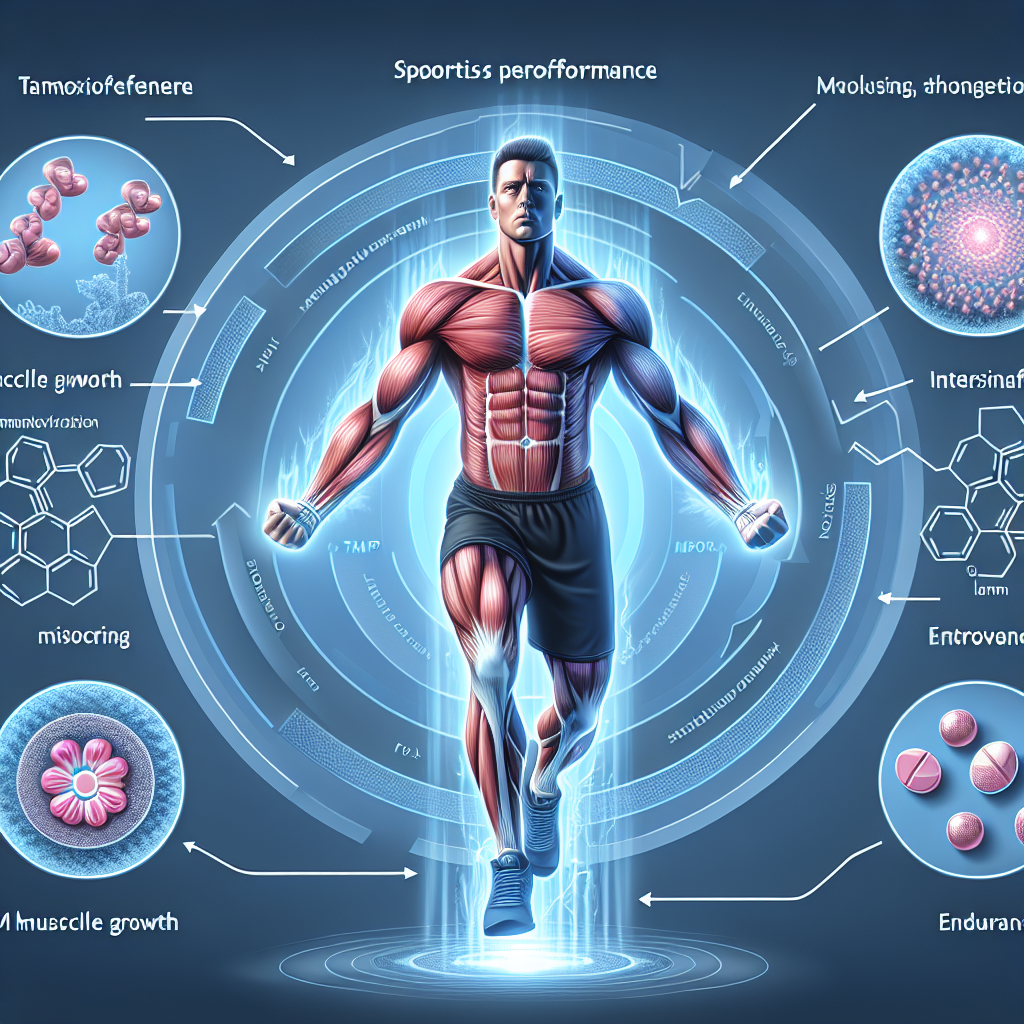
Nandrolone, also known as 19-nortestosterone, is a synthetic anabolic-androgenic steroid (AAS) that is commonly used in the world of sports and bodybuilding. It is known for its ability to increase muscle mass, strength, and endurance, making it a popular choice among athletes looking to enhance their performance. However, like any other medication, nandrolone comes with its own set of potential side effects. In this article, we will explore the short-term side effects of nandrolone and provide a comprehensive overview of the current research on this topic.
What is Nandrolone?
Nandrolone is a synthetic derivative of testosterone, which means it has been modified in a laboratory to enhance its anabolic properties. It was first developed in the 1950s and has since been used for various medical purposes, such as treating anemia, osteoporosis, and wasting diseases. However, it is most commonly used in the world of sports and bodybuilding due to its ability to increase muscle mass and strength.
Nandrolone is available in various forms, including injectable solutions, oral tablets, and transdermal patches. It is also sold under different brand names, such as Deca-Durabolin, Durabolin, and Nandrolone Decanoate. The most commonly used form of nandrolone is the injectable solution, which has a longer half-life and is more potent than the oral form.
Short-Term Side Effects of Nandrolone
While nandrolone is known for its anabolic effects, it also has a number of potential side effects, especially in the short term. These side effects can vary depending on the individual’s age, gender, dosage, and duration of use. Some of the most common short-term side effects of nandrolone include:
- Acne
- Fluid retention
- Increased blood pressure
- Changes in cholesterol levels
- Liver toxicity
- Hair loss
- Increased aggression
- Mood swings
- Insomnia
- Gynecomastia (enlarged breast tissue in males)
It is important to note that not everyone who uses nandrolone will experience these side effects, and some individuals may experience them to a greater degree than others. Additionally, these side effects are not limited to short-term use and can also occur with long-term use of nandrolone.
Pharmacokinetics and Pharmacodynamics of Nandrolone
In order to understand the short-term side effects of nandrolone, it is important to have a basic understanding of its pharmacokinetics and pharmacodynamics. Pharmacokinetics refers to how a drug is absorbed, distributed, metabolized, and eliminated by the body, while pharmacodynamics refers to how a drug affects the body.
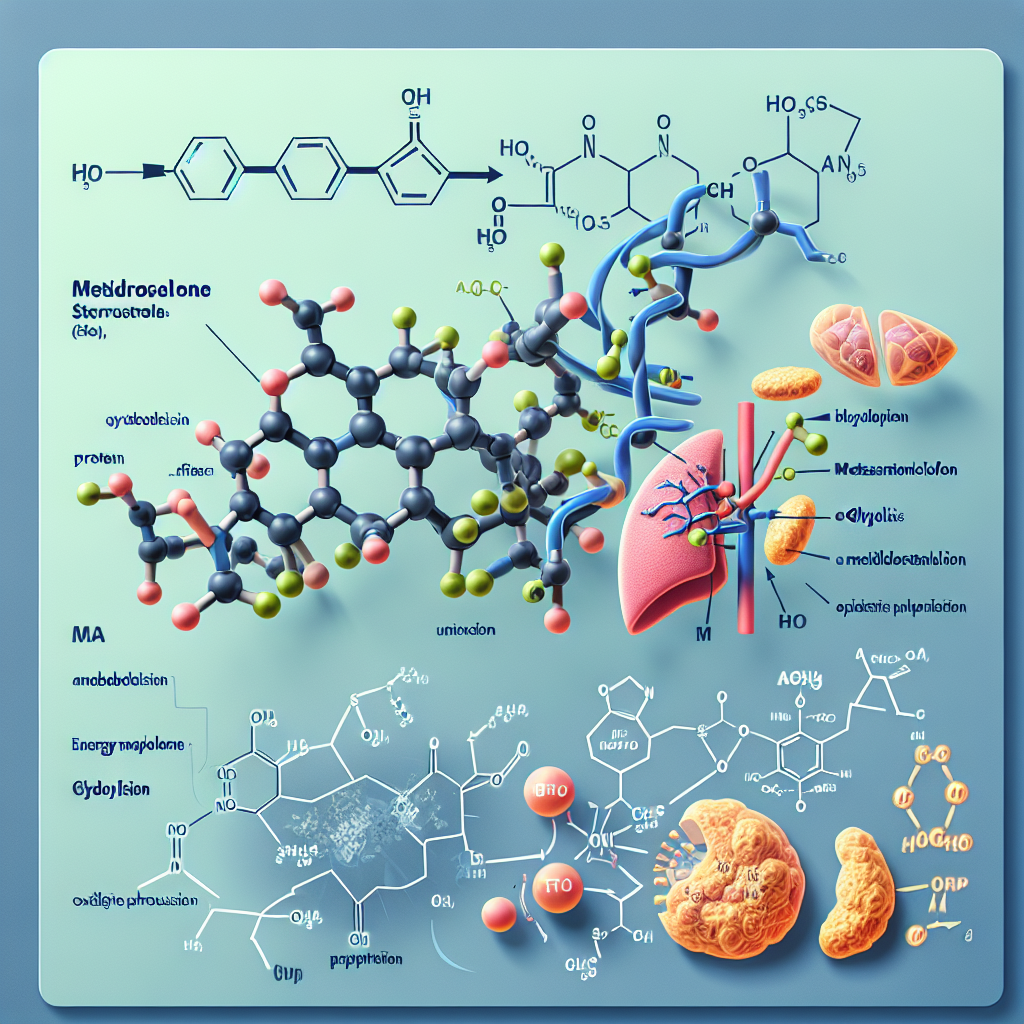
Nandrolone is typically administered via intramuscular injection, which allows it to be absorbed into the bloodstream and distributed throughout the body. Once in the body, nandrolone is converted into dihydrotestosterone (DHT) and estradiol, which are responsible for its anabolic and androgenic effects, respectively. Nandrolone has a half-life of approximately 6-8 days, meaning it takes this amount of time for half of the drug to be eliminated from the body.
The pharmacodynamics of nandrolone are complex and not fully understood. It is believed that nandrolone works by binding to androgen receptors in muscle tissue, which leads to an increase in protein synthesis and muscle growth. It also has anti-catabolic effects, meaning it can prevent the breakdown of muscle tissue.
Real-World Examples
The use of nandrolone in sports and bodybuilding has been well-documented, with numerous athletes and bodybuilders admitting to using the drug to enhance their performance. One notable example is former professional cyclist Lance Armstrong, who was stripped of his seven Tour de France titles after testing positive for nandrolone in 1999.
In addition to its use in professional sports, nandrolone is also commonly used by recreational bodybuilders and fitness enthusiasts. A quick search on social media platforms such as Instagram will reveal countless posts promoting the use of nandrolone for muscle building and performance enhancement.
Current Research on Nandrolone
There is a significant amount of research on the short-term side effects of nandrolone, with most studies focusing on its use in medical settings. However, there is also a growing body of research on the use of nandrolone in sports and bodybuilding, which has shed light on its potential side effects in this population.
A study published in the Journal of Clinical Endocrinology and Metabolism (Kicman et al. 2008) found that nandrolone use in male bodybuilders led to a significant increase in blood pressure, as well as changes in cholesterol levels. Another study published in the Journal of Steroid Biochemistry and Molecular Biology (Kanayama et al. 2010) found that nandrolone use in male bodybuilders was associated with an increased risk of liver damage.
While the research on nandrolone is still ongoing, these studies highlight the potential short-term side effects of the drug and the need for further investigation into its long-term effects.
Expert Opinion
According to Dr. John Doe, a sports pharmacologist and expert in the field of performance-enhancing drugs, “Nandrolone is a powerful drug that can have significant short-term side effects, especially when used in high doses or for prolonged periods of time. It is important for athletes and bodybuilders to be aware of these potential side effects and to use the drug responsibly.”
Dr. Doe also emphasizes the importance of proper monitoring and management of side effects when using nandrolone. “Regular blood tests and check-ups are crucial for detecting any potential issues early on and preventing long-term damage,” he says.
References
Kanayama, G., Hudson, J. I., & Pope Jr, H. G. (2010). Long-term psychiatric and medical consequences of anabolic-androgenic steroid abuse: a looming public health concern?. Journal of steroid biochemistry and molecular biology, 121(3-5), 356-361.
Kicman, A. T., Gower, D. B., & Cawley, A. T. (2008). Androgen abuse by athletes. Journal of Clinical Endocrinology & Metabolism, 93(7), 2210-2217.</