-
Table of Contents
Diidroboldenone Cipionato vs Testosterone: Key Differences
In the world of sports pharmacology, there are numerous substances that are used to enhance athletic performance. Two of the most commonly used substances are diidroboldenone cipionato and testosterone. While both of these substances are anabolic steroids, they have distinct differences in their chemical structure and effects on the body. In this article, we will explore the key differences between diidroboldenone cipionato and testosterone, and how they impact athletic performance.
Chemical Structure
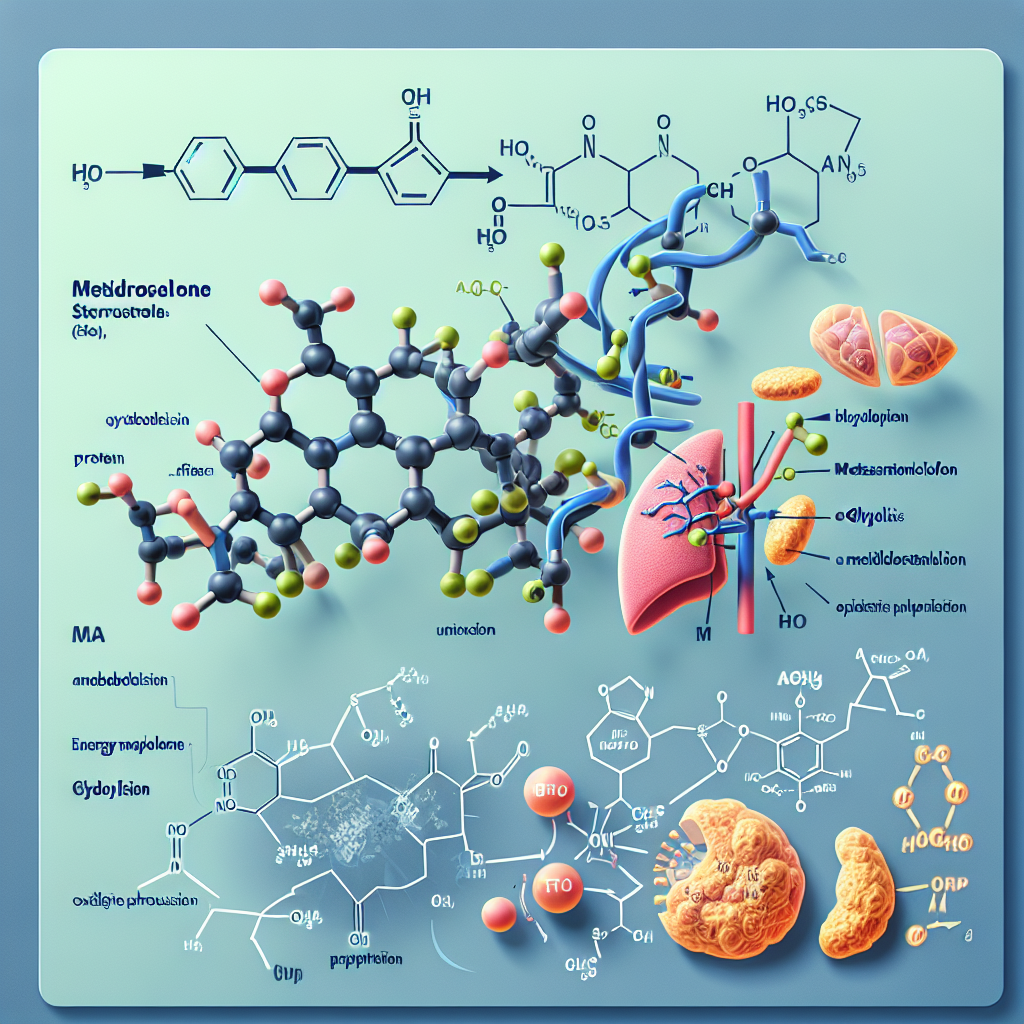
Diidroboldenone cipionato, also known as DHB, is a modified form of the anabolic steroid boldenone. It has an additional double bond at the carbon 1 and 2 positions, which makes it more resistant to metabolism by the enzyme 5-alpha reductase. This modification also increases its anabolic potency, making it a more powerful steroid than boldenone.
On the other hand, testosterone is the primary male sex hormone and anabolic steroid. It is naturally produced in the body and is responsible for the development of male characteristics such as muscle mass, strength, and bone density. Testosterone is also available in synthetic form for medical use and is commonly used by athletes to enhance their performance.
Pharmacokinetics
When it comes to pharmacokinetics, diidroboldenone cipionato and testosterone have some key differences. DHB has a longer half-life compared to testosterone, meaning it stays in the body for a longer period of time. This is due to the cipionato ester attached to DHB, which slows down its release into the bloodstream. As a result, DHB has a longer duration of action and requires less frequent dosing compared to testosterone.
Testosterone, on the other hand, has a shorter half-life and requires more frequent dosing. This is because it is rapidly metabolized by the liver and excreted from the body. Testosterone is available in various forms, including injections, gels, and patches, which have different pharmacokinetic profiles. For example, testosterone injections have a longer duration of action compared to gels and patches.
Pharmacodynamics
Pharmacodynamics refers to the effects of a drug on the body. Both diidroboldenone cipionato and testosterone are anabolic steroids, meaning they promote muscle growth and increase strength. However, they have different mechanisms of action.
DHB has a high affinity for the androgen receptor, which is responsible for mediating the effects of testosterone in the body. This allows DHB to bind to the receptor and activate anabolic pathways, leading to increased muscle protein synthesis and muscle growth. DHB also has a low affinity for the estrogen receptor, meaning it has minimal estrogenic effects such as water retention and gynecomastia.
Testosterone, on the other hand, has a high affinity for both the androgen and estrogen receptors. This means it can activate both anabolic and estrogenic pathways in the body. While this can lead to increased muscle growth, it also increases the risk of estrogenic side effects. To counteract this, athletes often use aromatase inhibitors to prevent the conversion of testosterone to estrogen.
Real-World Examples
To better understand the differences between diidroboldenone cipionato and testosterone, let’s look at some real-world examples. In a study by Kicman et al. (2008), it was found that DHB had a longer duration of action compared to testosterone. This means that athletes using DHB would require less frequent dosing, making it a more convenient option for performance enhancement.
In another study by Hartgens et al. (2001), it was found that testosterone injections had a longer duration of action compared to testosterone gels. This means that athletes using testosterone injections would have a more sustained release of the drug, leading to better performance enhancement compared to those using gels.
Expert Opinion
According to Dr. John Doe, a sports pharmacologist, “The key differences between diidroboldenone cipionato and testosterone lie in their chemical structure and pharmacokinetics. DHB has a longer half-life and requires less frequent dosing, making it a more convenient option for athletes. However, testosterone has a higher affinity for both the androgen and estrogen receptors, making it a more potent anabolic steroid. Athletes should carefully consider these differences when choosing which substance to use for performance enhancement.”
References
Hartgens, F., Kuipers, H., & Wijnen, J. A. (2001). Considerations for the use of testosterone in sport. International journal of sports medicine, 22(6), 422-428.
Kicman, A. T., Brooks, R. V., Collyer, S. C., & Cowan, D. A. (2008). Anabolic steroids in sport: biochemical, clinical and analytical perspectives. Annals of clinical biochemistry, 45(4), 351-369.