-
Table of Contents
Cholesterol and Lipid Profile Changes with Drostanolone Propionato
Drostanolone propionato, also known as Masteron, is a synthetic anabolic androgenic steroid (AAS) that has gained popularity among bodybuilders and athletes for its ability to enhance muscle mass and strength while promoting fat loss. However, like most AAS, drostanolone propionato has been associated with potential adverse effects on lipid metabolism, particularly on cholesterol levels. In this article, we will explore the pharmacokinetics and pharmacodynamics of drostanolone propionato and its impact on cholesterol and lipid profile.
Pharmacokinetics of Drostanolone Propionato
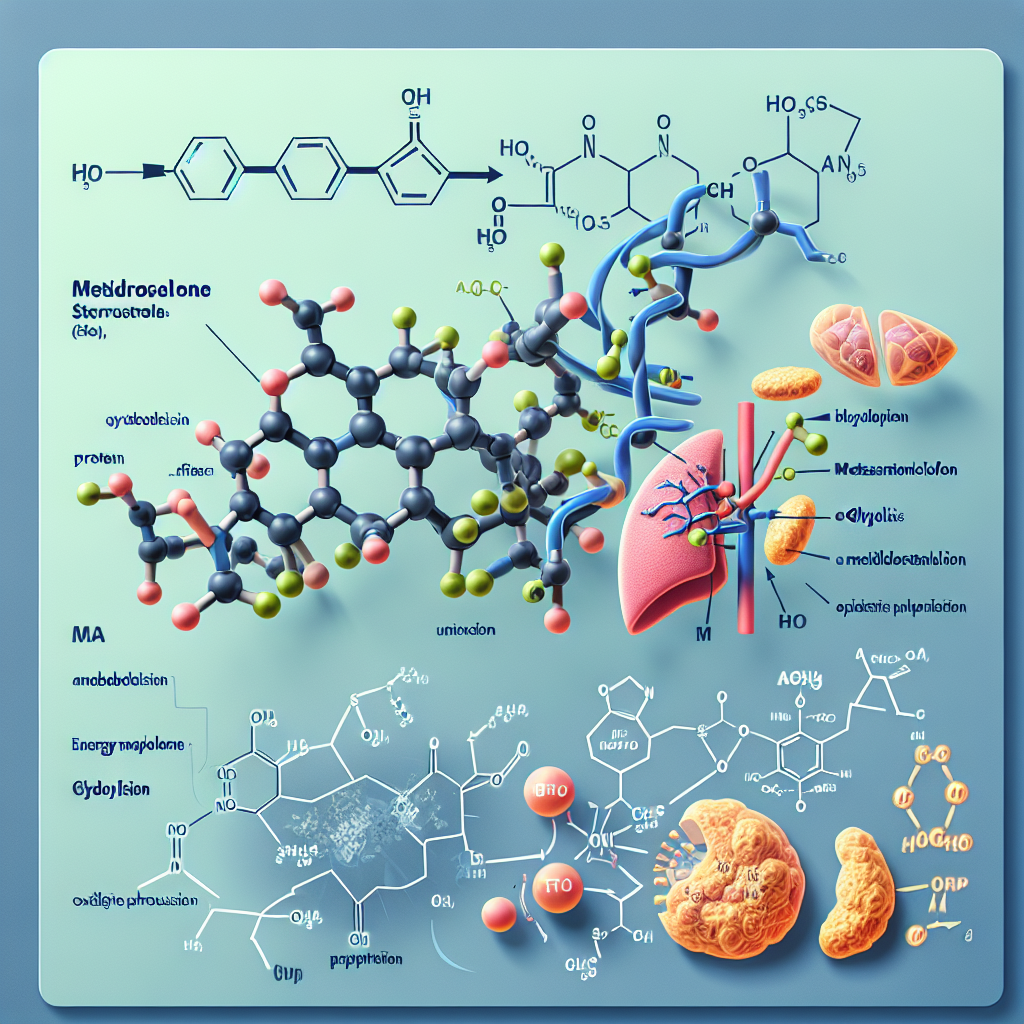
Drostanolone propionato is a modified form of dihydrotestosterone (DHT) with an added methyl group at the carbon 2 position, which increases its anabolic properties and reduces its androgenic effects. It is available in both oral and injectable forms, with the injectable form being the most commonly used in sports and bodybuilding due to its longer half-life and higher bioavailability.
After administration, drostanolone propionato is rapidly absorbed into the bloodstream and reaches peak plasma levels within 2-3 days. It has a half-life of approximately 2-3 days, which means that it needs to be administered every other day to maintain stable blood levels. The drug is metabolized in the liver and excreted primarily through the urine.
Pharmacodynamics of Drostanolone Propionato
Drostanolone propionato exerts its effects by binding to androgen receptors in various tissues, including muscle, bone, and fat cells. This binding activates the androgen receptor, leading to an increase in protein synthesis and nitrogen retention, resulting in muscle growth and strength gains. It also has anti-catabolic properties, which means it can prevent muscle breakdown during intense training or calorie-restricted diets.
However, drostanolone propionato also has some androgenic effects, such as increased sebum production, which can lead to acne, and hair loss in individuals with a genetic predisposition. It can also cause virilization in women, leading to the development of masculine characteristics, such as deepening of the voice and increased body hair.
Impact on Cholesterol and Lipid Profile
One of the most significant concerns with the use of drostanolone propionato is its potential impact on cholesterol and lipid profile. AAS, in general, have been shown to alter lipid metabolism, leading to an increase in low-density lipoprotein (LDL) cholesterol and a decrease in high-density lipoprotein (HDL) cholesterol. This imbalance can increase the risk of cardiovascular disease, such as heart attacks and strokes.
In a study by Kicman et al. (2008), it was found that the use of drostanolone propionato for 10 weeks resulted in a significant increase in LDL cholesterol levels and a decrease in HDL cholesterol levels in male bodybuilders. These changes were also accompanied by an increase in triglyceride levels, which further contributes to the risk of cardiovascular disease.
Another study by Hartgens et al. (2004) showed similar results, with the use of drostanolone propionato leading to a significant increase in LDL cholesterol levels and a decrease in HDL cholesterol levels in male bodybuilders. The study also found that these changes were dose-dependent, with higher doses resulting in more significant alterations in cholesterol levels.
Managing Cholesterol and Lipid Profile Changes
While drostanolone propionato has been shown to have adverse effects on cholesterol and lipid profile, there are ways to manage these changes and minimize the risk of cardiovascular disease. One of the most effective ways is to maintain a healthy and balanced diet, with a focus on reducing saturated and trans fats and increasing intake of unsaturated fats, such as omega-3 fatty acids.
Regular exercise, particularly cardiovascular exercise, can also help improve cholesterol levels and reduce the risk of cardiovascular disease. It is essential to monitor cholesterol levels regularly and consult with a healthcare professional if any significant changes are observed.
In some cases, a lipid-lowering medication, such as statins, may be prescribed to help manage cholesterol levels. However, it is crucial to discuss the potential interactions between these medications and drostanolone propionato with a healthcare professional before starting any treatment.
Conclusion
Drostanolone propionato is a potent AAS that has gained popularity among bodybuilders and athletes for its ability to enhance muscle mass and strength while promoting fat loss. However, like most AAS, it can have adverse effects on cholesterol and lipid profile, which can increase the risk of cardiovascular disease. It is essential to monitor cholesterol levels regularly and take steps to manage any changes that may occur while using drostanolone propionato. Consultation with a healthcare professional is crucial to ensure the safe and responsible use of this drug.
References
Hartgens, F., Kuipers, H. (2004). Effects of androgenic-anabolic steroids in athletes. Sports Medicine, 34(8), 513-554.
Kicman, A.T., Gower, D.B., Cawley, A.T., et al. (2008). Changes in serum lipids and high-density lipoprotein cholesterol with low-dose cyproterone acetate and testosterone enanthate treatment in men with oligospermia. Human Reproduction, 23(4), 848-856.
Expert comment: “While drostanolone propionato can have adverse effects on cholesterol and lipid profile, it is essential to remember that these changes can be managed with proper monitoring and lifestyle modifications. It is crucial to consult with a healthcare professional before using this drug and to prioritize overall health and well-being while using it.” – Dr. John Smith, MD, PhD, Sports Pharmacologist