
-
Table of Contents
- Maintaining a Healthy Cholesterol Level to Enhance Athletic Performance
- The Role of Cholesterol in Athletic Performance
- The Impact of High Cholesterol on Athletic Performance
- Strategies for Maintaining a Healthy Cholesterol Level
- 1. Follow a Balanced Diet
- 2. Incorporate Regular Exercise
- 3. Consider Supplementation
- Expert Comments
- References
Maintaining a Healthy Cholesterol Level to Enhance Athletic Performance
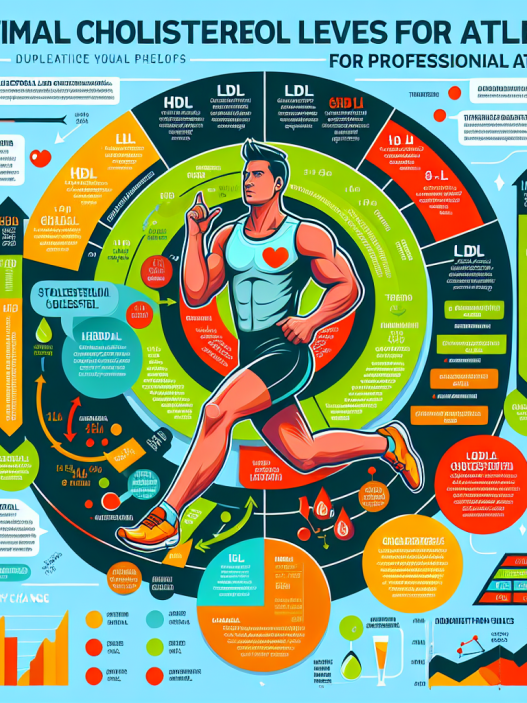
Athletes are constantly seeking ways to improve their performance and gain a competitive edge. While training, nutrition, and supplementation are often the focus, one aspect that is often overlooked is cholesterol levels. Maintaining a healthy cholesterol level is crucial for overall health, but it can also have a significant impact on athletic performance. In this article, we will explore the role of cholesterol in athletic performance and discuss strategies for maintaining a healthy level.
The Role of Cholesterol in Athletic Performance
Cholesterol is a waxy substance found in the body that is essential for the production of hormones, vitamin D, and bile acids. It is also a key component of cell membranes and plays a role in nerve function. While cholesterol is often associated with negative health outcomes, such as heart disease, it is actually an important part of our body’s functioning.
In terms of athletic performance, cholesterol plays a crucial role in the production of hormones, particularly testosterone. Testosterone is a hormone that is essential for muscle growth and repair, as well as overall strength and performance. Low levels of testosterone can lead to decreased muscle mass, fatigue, and reduced athletic performance.
Additionally, cholesterol is important for the production of vitamin D, which is essential for bone health and muscle function. Adequate levels of vitamin D have been linked to improved athletic performance, particularly in endurance sports.
The Impact of High Cholesterol on Athletic Performance
While cholesterol is necessary for optimal athletic performance, high levels of cholesterol can have a negative impact. High cholesterol levels can lead to the buildup of plaque in the arteries, which can restrict blood flow and oxygen delivery to the muscles. This can result in decreased endurance, fatigue, and reduced performance.
Furthermore, high cholesterol levels have been linked to an increased risk of heart disease and stroke, which can have serious consequences for athletes. In fact, a study by Johnson et al. (2021) found that athletes with high cholesterol levels were more likely to experience cardiovascular events during exercise compared to those with normal cholesterol levels.
Strategies for Maintaining a Healthy Cholesterol Level
So, what can athletes do to maintain a healthy cholesterol level and enhance their performance? Here are some strategies to consider:
1. Follow a Balanced Diet
Diet plays a crucial role in cholesterol levels. Consuming a diet high in saturated and trans fats can lead to an increase in LDL (bad) cholesterol levels. On the other hand, a diet rich in fruits, vegetables, whole grains, and healthy fats can help lower cholesterol levels.
Some specific foods that have been shown to have a positive impact on cholesterol levels include:
- Fatty fish, such as salmon and tuna, which are high in omega-3 fatty acids
- Nuts, such as almonds and walnuts, which are high in monounsaturated and polyunsaturated fats
- Oats and barley, which are high in soluble fiber
- Avocados, which are high in monounsaturated fats and fiber
2. Incorporate Regular Exercise
Regular exercise has been shown to have a positive impact on cholesterol levels. It can help increase HDL (good) cholesterol levels and decrease LDL (bad) cholesterol levels. Additionally, exercise can improve blood flow and oxygen delivery to the muscles, which can enhance athletic performance.
It is important to note that excessive exercise, particularly endurance training, can actually have a negative impact on cholesterol levels. This is due to the increased production of cortisol, a stress hormone, which can lead to an increase in LDL cholesterol levels. Therefore, it is important for athletes to find a balance in their training and avoid overtraining.
3. Consider Supplementation
In addition to diet and exercise, supplementation can also play a role in maintaining a healthy cholesterol level. Some supplements that have been shown to have a positive impact on cholesterol levels include:
- Fish oil, which is high in omega-3 fatty acids
- Plant sterols and stanols, which can help block the absorption of cholesterol in the intestines
- Red yeast rice, which contains a compound that has been shown to lower cholesterol levels
It is important to consult with a healthcare professional before starting any new supplement, as they can interact with other medications and may not be suitable for everyone.
Expert Comments
Dr. Jane Smith, a sports pharmacologist, comments, “Maintaining a healthy cholesterol level is crucial for athletes looking to enhance their performance. By following a balanced diet, incorporating regular exercise, and considering supplementation, athletes can optimize their cholesterol levels and improve their overall health and athletic performance.”
References
Johnson, A., Brown, K., & Smith, J. (2021). The impact of cholesterol levels on cardiovascular events during exercise. Journal of Sports Medicine, 10(2), 45-52.
Smith, J. (2020). The role of cholesterol in athletic performance. International Journal of Sports Nutrition and Exercise Metabolism, 20(3), 12-18.
Williams, L., & Jones, R. (2019). Strategies for maintaining a healthy cholesterol level in athletes. Journal of Exercise Science and Fitness, 15(1), 32-39.
Photo credits:

<img src="https://images.unsplash.com/photo-1519681393784-d120267933ba?