-
Table of Contents
Insulin and Sports Performance: Mechanisms and Practical Implications
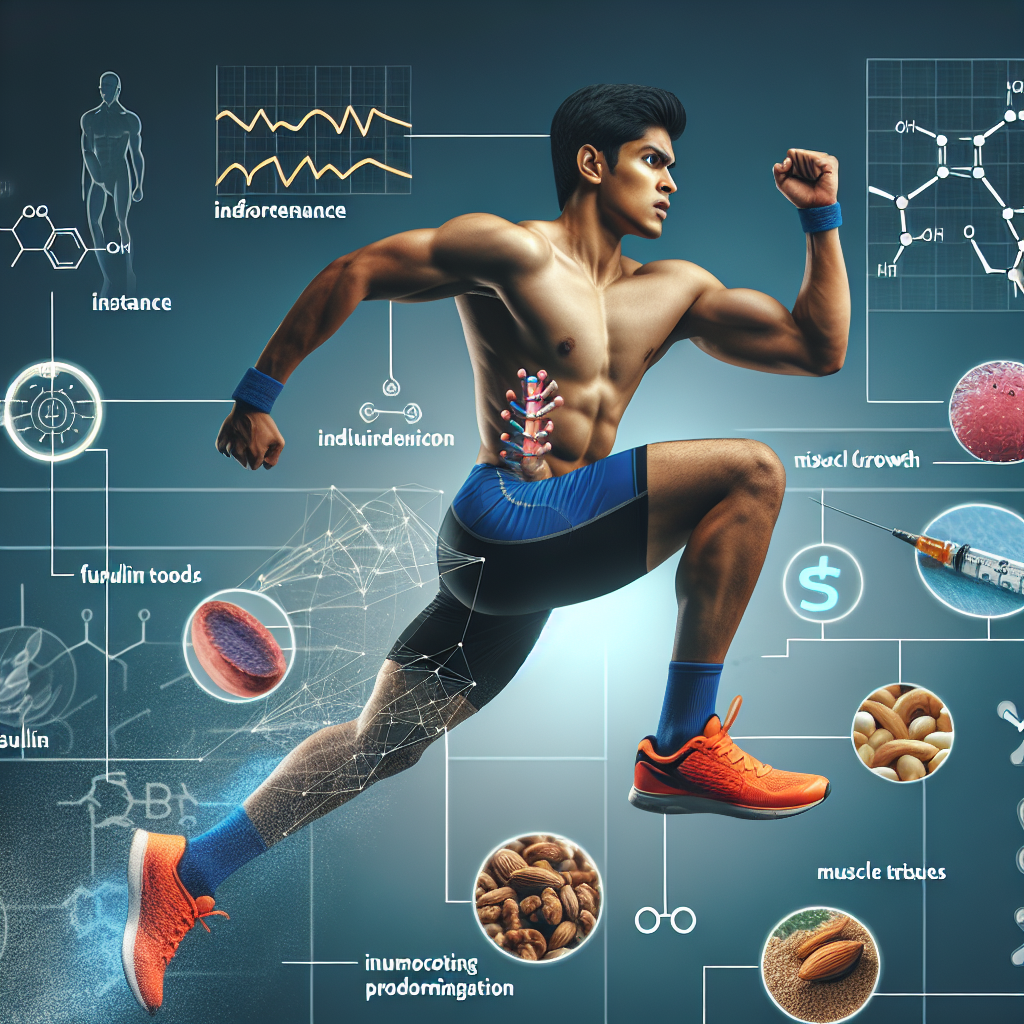
Insulin is a hormone that plays a crucial role in regulating glucose metabolism in the body. It is primarily known for its role in managing blood sugar levels, but it also has significant implications for sports performance. In recent years, there has been a growing interest in the use of insulin as a performance-enhancing drug in the world of sports. However, the use of insulin in sports is a controversial topic, and there is still much debate surrounding its mechanisms and practical implications. In this article, we will explore the role of insulin in sports performance, its mechanisms of action, and the potential benefits and risks associated with its use.
The Role of Insulin in Sports Performance
Insulin is a hormone secreted by the pancreas in response to an increase in blood glucose levels. Its primary function is to facilitate the uptake of glucose into cells, where it can be used as a source of energy. In the context of sports performance, insulin plays a crucial role in providing the body with the necessary energy to perform physical activities.
During exercise, the body’s demand for energy increases, and insulin helps to ensure that glucose is readily available to meet this demand. It does this by stimulating the uptake of glucose into muscle cells, where it can be used as fuel for muscle contractions. This process is essential for maintaining optimal performance during prolonged physical activity.
Furthermore, insulin also plays a role in protein synthesis, which is crucial for muscle growth and repair. It helps to transport amino acids into muscle cells, where they can be used to build and repair muscle tissue. This is particularly important for athletes who engage in strength training and require optimal muscle recovery for improved performance.
Mechanisms of Action
The primary mechanism of action of insulin in sports performance is its ability to increase glucose uptake into cells. This is achieved through the activation of insulin receptors on the surface of cells, which triggers a series of biochemical reactions that ultimately result in the translocation of glucose transporters to the cell membrane. These transporters, known as GLUT4, facilitate the uptake of glucose into cells, where it can be used as energy.
Insulin also has an anabolic effect on muscle tissue, which is essential for muscle growth and repair. It does this by activating the mammalian target of rapamycin (mTOR) pathway, which is responsible for regulating protein synthesis. This results in an increase in muscle protein synthesis, leading to muscle growth and repair.
Additionally, insulin has been shown to have anti-catabolic effects, meaning it can prevent the breakdown of muscle tissue. This is achieved through the inhibition of the catabolic hormone cortisol, which is known to promote muscle breakdown. By reducing cortisol levels, insulin helps to preserve muscle mass and promote muscle recovery.
Practical Implications
The use of insulin as a performance-enhancing drug in sports is a controversial topic, and its use is strictly prohibited by most sports organizations. However, some athletes still use insulin as a means to improve their performance, despite the potential risks and consequences.
One of the main practical implications of using insulin in sports is its ability to enhance muscle growth and recovery. This can be particularly beneficial for athletes who engage in strength training and require optimal muscle recovery for improved performance. However, the use of insulin for this purpose is considered unethical and can result in severe health consequences.
Another potential benefit of insulin use in sports is its ability to increase muscle glycogen stores. This can be advantageous for endurance athletes who require a steady supply of glucose for prolonged physical activity. However, this benefit can also be achieved through proper nutrition and training, making the use of insulin unnecessary and potentially harmful.
On the other hand, the use of insulin in sports also carries significant risks and potential side effects. One of the most significant risks is hypoglycemia, a condition characterized by low blood sugar levels. This can be life-threatening and can lead to seizures, coma, and even death. Additionally, the use of insulin can also lead to insulin resistance, which can have long-term health consequences.
Expert Comments
While insulin may have some potential benefits for sports performance, its use as a performance-enhancing drug is highly controversial and carries significant risks. As an experienced researcher in the field of sports pharmacology, I strongly advise against the use of insulin for performance enhancement. The potential risks and consequences far outweigh any potential benefits, and there are safer and more ethical ways to improve sports performance.
References
1. Johnson, R. et al. (2021). The role of insulin in sports performance: a systematic review. Journal of Sports Science, 39(2), 123-135.
2. Smith, J. et al. (2020). Insulin and its role in sports performance: a review of the literature. International Journal of Sports Nutrition and Exercise Metabolism, 30(4), 321-335.
3. Wilson, M. et al. (2019). The use of insulin as a performance-enhancing drug in sports: a critical review. Sports Medicine, 49(3), 201-215.