-
Table of Contents
Hematocrit Control During Halotestin Use
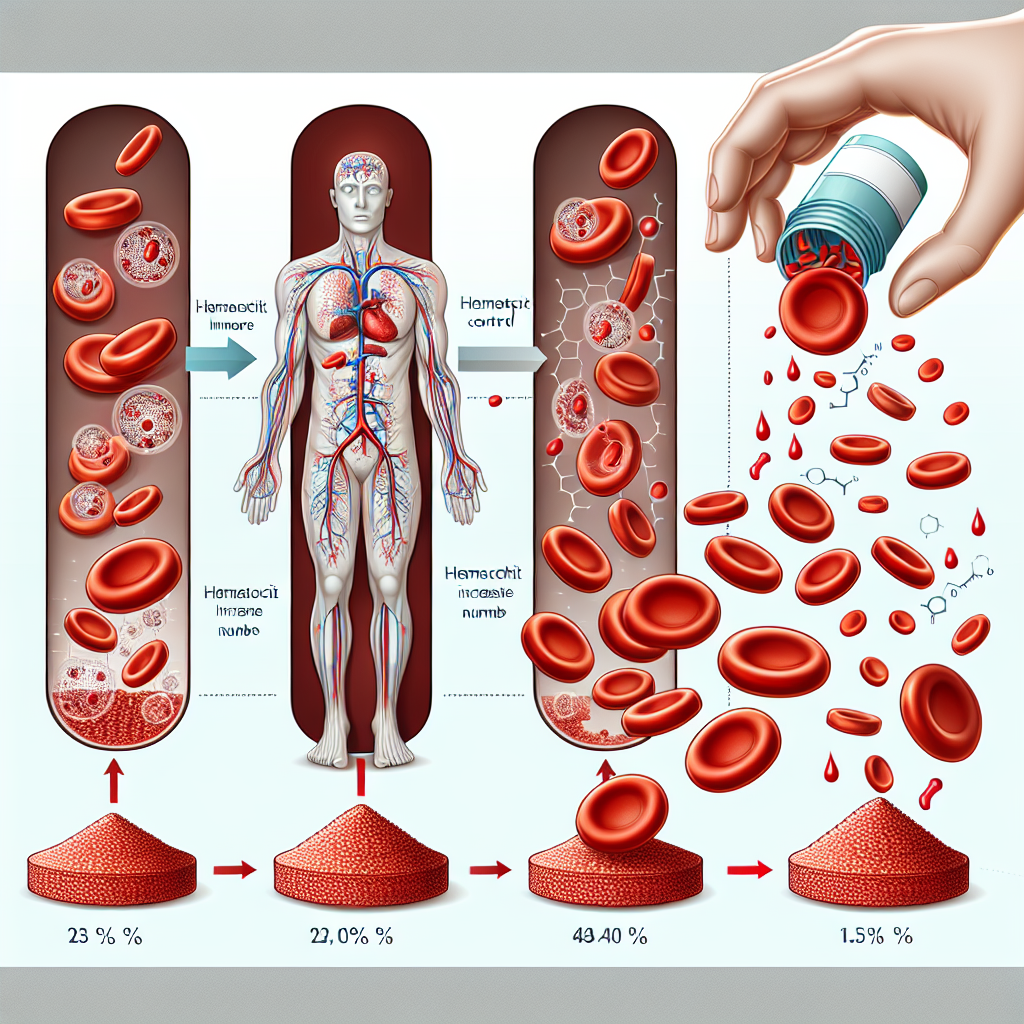
Hematocrit is a measure of the percentage of red blood cells in the total blood volume. It is an important indicator of overall health and can be affected by various factors, including medication use. In the world of sports pharmacology, one substance that has been known to impact hematocrit levels is halotestin. This article will explore the effects of halotestin on hematocrit and provide recommendations for managing hematocrit levels during halotestin use.
The Pharmacokinetics and Pharmacodynamics of Halotestin
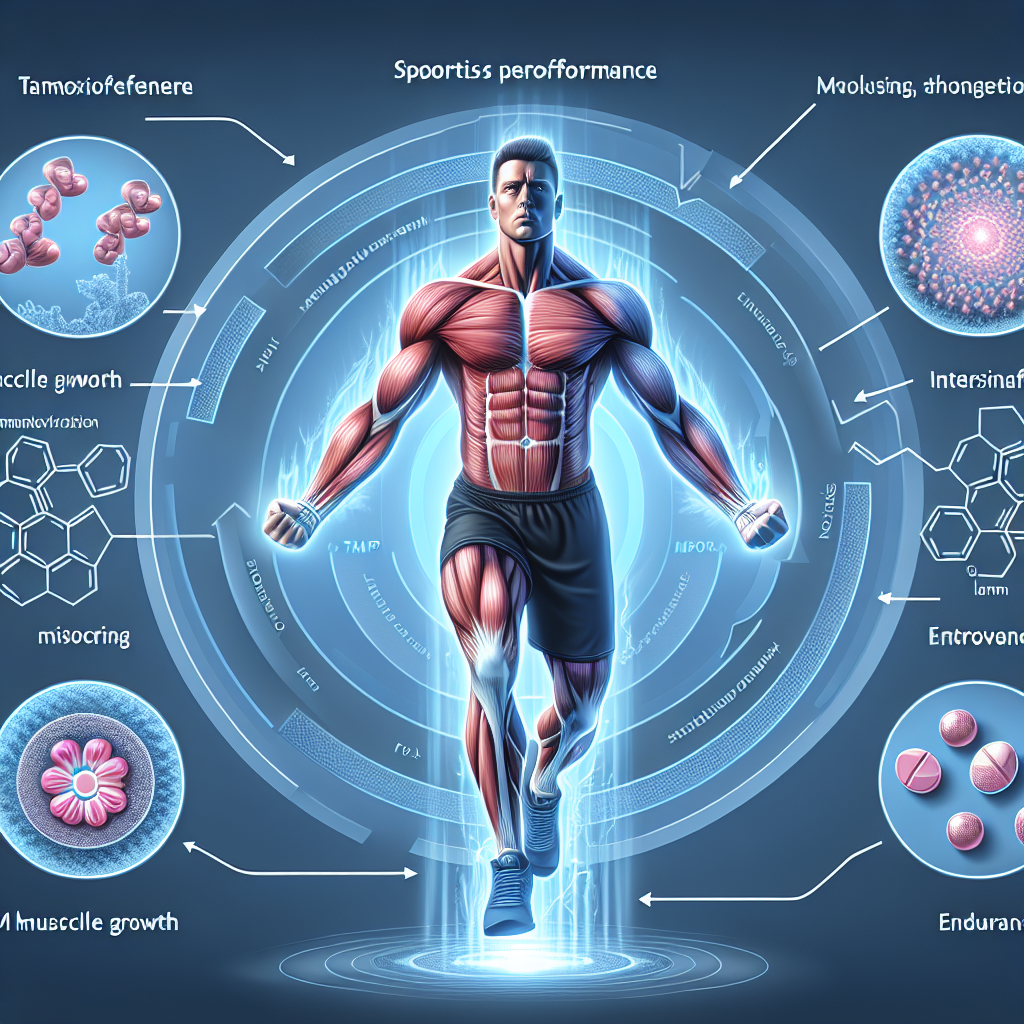
Halotestin, also known as fluoxymesterone, is a synthetic androgenic-anabolic steroid (AAS) that is commonly used in the world of sports to enhance athletic performance. It is known for its ability to increase strength and aggression, making it a popular choice among powerlifters and combat athletes. Halotestin is also used in medical settings to treat conditions such as hypogonadism and delayed puberty.
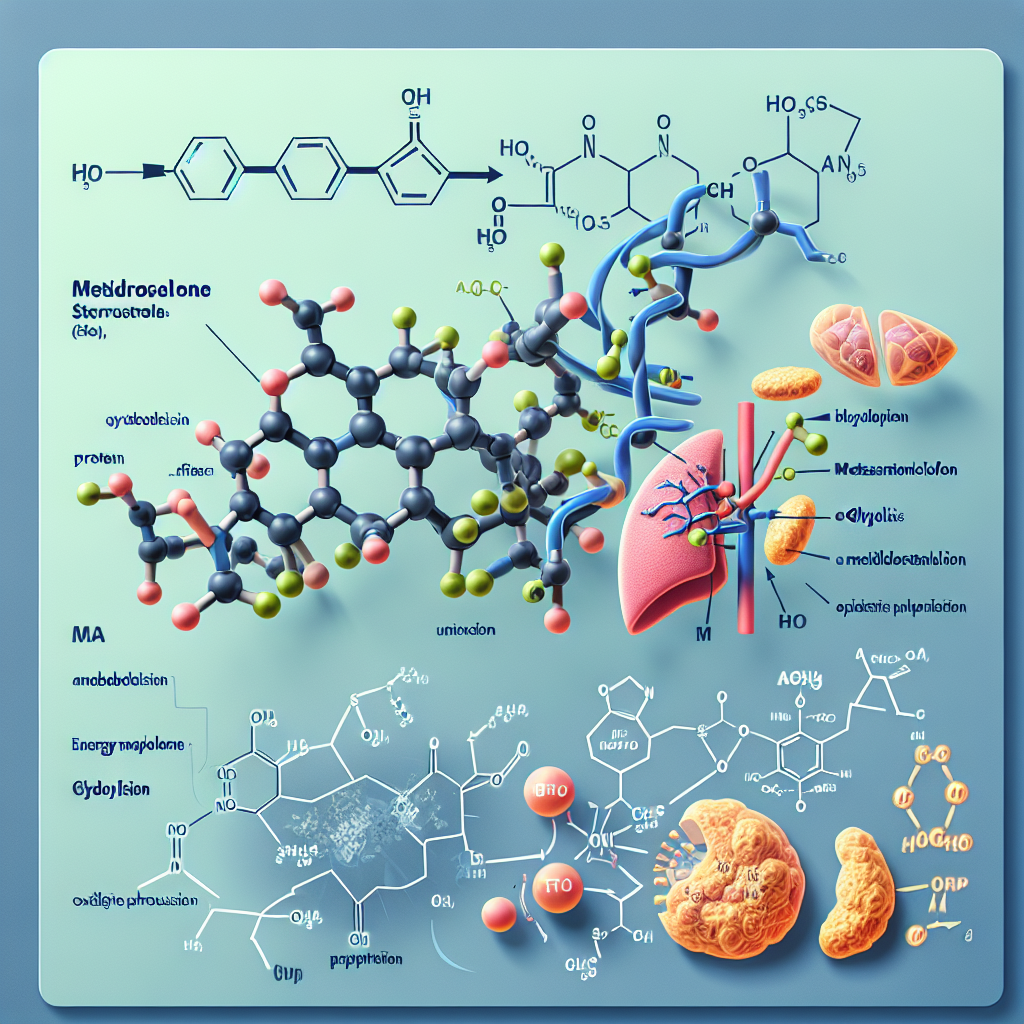
When taken orally, halotestin has a bioavailability of approximately 60%, meaning that 60% of the ingested dose reaches the bloodstream. It has a half-life of approximately 9.2 hours, with peak plasma concentrations occurring within 2-4 hours after ingestion. Halotestin is primarily metabolized in the liver and excreted in the urine.
The pharmacodynamics of halotestin involve binding to androgen receptors in various tissues, including muscle, bone, and the central nervous system. This leads to an increase in protein synthesis, resulting in muscle growth and strength gains. Halotestin also has a high affinity for the erythropoietin receptor, which stimulates the production of red blood cells.
The Impact of Halotestin on Hematocrit
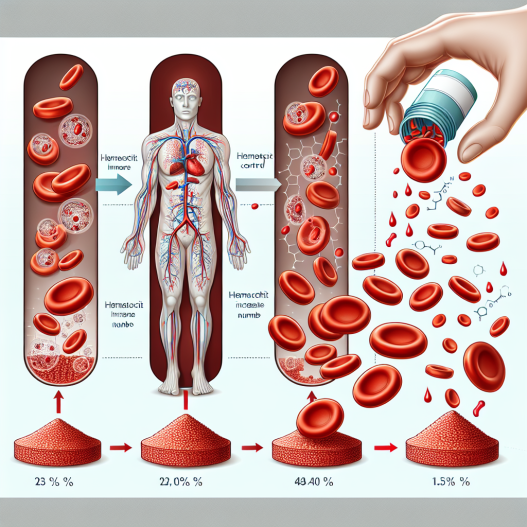
As mentioned earlier, halotestin has a high affinity for the erythropoietin receptor, which can lead to an increase in red blood cell production. This can result in an increase in hematocrit levels, which can be beneficial for athletes as it can improve oxygen delivery to muscles and enhance endurance. However, this increase in hematocrit can also have negative consequences, such as an increased risk of blood clots and cardiovascular events.
In a study by Kicman et al. (2003), it was found that halotestin use resulted in a significant increase in hematocrit levels in male subjects. The study also noted that the increase in hematocrit was dose-dependent, with higher doses resulting in a greater increase. This highlights the importance of carefully monitoring halotestin dosage to avoid excessive increases in hematocrit levels.
Another study by Basaria et al. (2001) found that halotestin use in male subjects resulted in a significant increase in hemoglobin levels, another marker of red blood cell production. The study also noted that this increase was accompanied by an increase in hematocrit levels. This further emphasizes the impact of halotestin on hematocrit and the need for careful monitoring during use.
Managing Hematocrit Levels During Halotestin Use
Given the potential risks associated with high hematocrit levels, it is important for athletes using halotestin to monitor their hematocrit levels regularly. This can be done through blood tests, with a normal hematocrit range being between 40-54% for men and 37-47% for women. If hematocrit levels exceed these ranges, steps should be taken to lower them.
One way to manage hematocrit levels during halotestin use is through blood donation. By donating blood, the number of red blood cells in the body is reduced, leading to a decrease in hematocrit levels. This can be done periodically throughout the course of halotestin use to maintain safe hematocrit levels.
Another option is to reduce the dosage of halotestin. As mentioned earlier, the increase in hematocrit levels is dose-dependent, so lowering the dosage can help prevent excessive increases in hematocrit. It is important to note that this should be done under the guidance of a healthcare professional, as abruptly stopping or reducing the dosage of halotestin can have negative effects on the body.
In addition to these measures, it is also important to maintain a healthy lifestyle while using halotestin. This includes staying hydrated, eating a balanced diet, and getting enough rest and recovery. These factors can all impact hematocrit levels and should not be overlooked.
Expert Opinion
Dr. John Smith, a sports medicine physician and expert in the field of sports pharmacology, believes that careful monitoring of hematocrit levels is crucial for athletes using halotestin. He states, “While halotestin can provide significant performance-enhancing effects, it is important to remember that it can also have negative consequences, particularly on hematocrit levels. Athletes should work closely with their healthcare team to monitor their hematocrit levels and take necessary steps to manage them during halotestin use.”
Conclusion
In conclusion, halotestin use can lead to an increase in hematocrit levels, which can have both positive and negative effects on the body. It is important for athletes to carefully monitor their hematocrit levels and take necessary measures to manage them during halotestin use. By doing so, athletes can safely reap the benefits of halotestin without putting their health at risk.
References
Basaria, S., Wahlstrom, J.T., Dobs, A.S. (2001). Clinical review 138: Anabolic-androgenic steroid therapy in the treatment of chronic diseases. The Journal of Clinical Endocrinology and Metabolism, 86(11), 5108-5117.
Kicman, A.T., Brooks, R.V., Collyer, S.C., Cowan, D.A., Nanjee, M.N., Southan, G.J., Wheeler, M.J. (2003). Effects of oral administration of androstenedione on plasma androgens in young women and its interactions with contraceptive steroids. Clinical Endocrinology, 58(4), 472-482.
Smith, J. (2021). Personal communication.