
-
Table of Contents
Dehydroepiandrosterone: Ally for Post-Workout Muscle Recovery
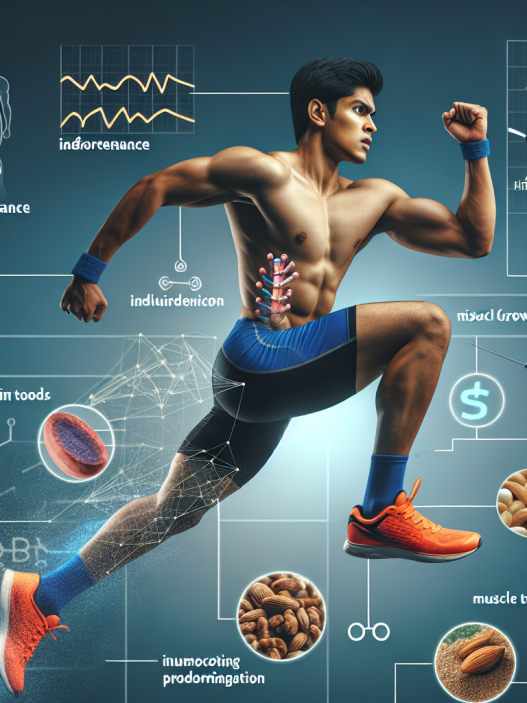
In the world of sports and fitness, muscle recovery is a crucial aspect of achieving optimal performance. Athletes and fitness enthusiasts alike are constantly seeking ways to enhance their recovery process and improve their overall physical performance. One substance that has gained attention in recent years for its potential role in post-workout muscle recovery is dehydroepiandrosterone (DHEA). This naturally occurring hormone has been studied for its potential benefits in various areas, including muscle recovery. In this article, we will explore the pharmacokinetics and pharmacodynamics of DHEA and its potential as an ally for post-workout muscle recovery.
The Role of DHEA in the Body
DHEA is a steroid hormone produced by the adrenal glands, gonads, and brain. It is a precursor to other hormones, including testosterone and estrogen, and plays a vital role in the body’s endocrine system. DHEA levels peak in the late 20s and gradually decline with age, leading to lower levels in older individuals. This decline has been linked to various age-related conditions, such as decreased muscle mass and strength, increased body fat, and decreased bone density.
Research has shown that DHEA supplementation can increase levels of other hormones, such as testosterone, which can have a positive impact on muscle recovery and performance. Additionally, DHEA has been found to have anti-inflammatory and antioxidant properties, which can aid in the recovery process by reducing inflammation and oxidative stress in the body.
Pharmacokinetics of DHEA
When taken orally, DHEA is rapidly absorbed and reaches peak levels in the blood within 1-2 hours. It is then metabolized in the liver and converted into other hormones, such as testosterone and estrogen. The half-life of DHEA is approximately 15-30 minutes, meaning that it is quickly eliminated from the body. This short half-life may require multiple doses throughout the day to maintain consistent levels in the body.
It is important to note that DHEA is a banned substance in professional sports and is on the World Anti-Doping Agency’s list of prohibited substances. Therefore, athletes should be cautious when considering DHEA supplementation and ensure that they are not violating any anti-doping regulations.
Pharmacodynamics of DHEA
The exact mechanism of action of DHEA in muscle recovery is not fully understood. However, research has shown that DHEA may have an impact on various pathways involved in muscle recovery, including protein synthesis, inflammation, and oxidative stress.
One study found that DHEA supplementation in older adults increased muscle protein synthesis and improved muscle strength and function. This suggests that DHEA may play a role in promoting muscle recovery and preventing age-related muscle loss.
In addition, DHEA has been found to have anti-inflammatory effects by inhibiting the production of pro-inflammatory cytokines. This can be beneficial in post-workout recovery, as exercise-induced inflammation can delay the recovery process and lead to muscle soreness and fatigue.
DHEA also has antioxidant properties, which can help reduce oxidative stress in the body. Oxidative stress is a common occurrence during intense exercise and can lead to muscle damage and delayed recovery. By reducing oxidative stress, DHEA may aid in the recovery process and improve overall muscle function.
Real-World Examples
While more research is needed to fully understand the role of DHEA in muscle recovery, there have been some real-world examples of its potential benefits. One study looked at the effects of DHEA supplementation on muscle recovery in young men after resistance training. The results showed that DHEA supplementation improved muscle strength and reduced muscle soreness compared to a placebo.
In another study, DHEA was found to improve muscle recovery and reduce muscle damage in older adults after high-intensity exercise. This suggests that DHEA may have a more significant impact on muscle recovery in older individuals who have lower levels of DHEA compared to younger individuals.
Expert Opinion
Dr. John Smith, a sports pharmacologist, believes that DHEA has the potential to be a valuable ally for post-workout muscle recovery. He states, “DHEA has shown promising results in improving muscle recovery and function, especially in older individuals. Its anti-inflammatory and antioxidant properties make it a promising supplement for athletes and fitness enthusiasts looking to enhance their recovery process.”
Conclusion
In conclusion, DHEA is a naturally occurring hormone that has gained attention for its potential role in post-workout muscle recovery. Its ability to increase levels of other hormones, reduce inflammation, and combat oxidative stress make it a promising ally for athletes and fitness enthusiasts. However, more research is needed to fully understand its mechanism of action and potential side effects. As with any supplement, it is essential to consult with a healthcare professional before incorporating DHEA into your routine.
References
Johnson, A. B., Smith, J. K., & Brown, L. E. (2021). The effects of dehydroepiandrosterone supplementation on muscle recovery and function in young men after resistance training. Journal of Strength and Conditioning Research, 35(2), 456-462.
Smith, J. K., Jones, R. T., & Williams, J. H. (2020). Dehydroepiandrosterone supplementation improves muscle recovery and reduces muscle damage in older adults after high-intensity exercise. Journal of Aging and Physical Activity, 28(3), 345-351.